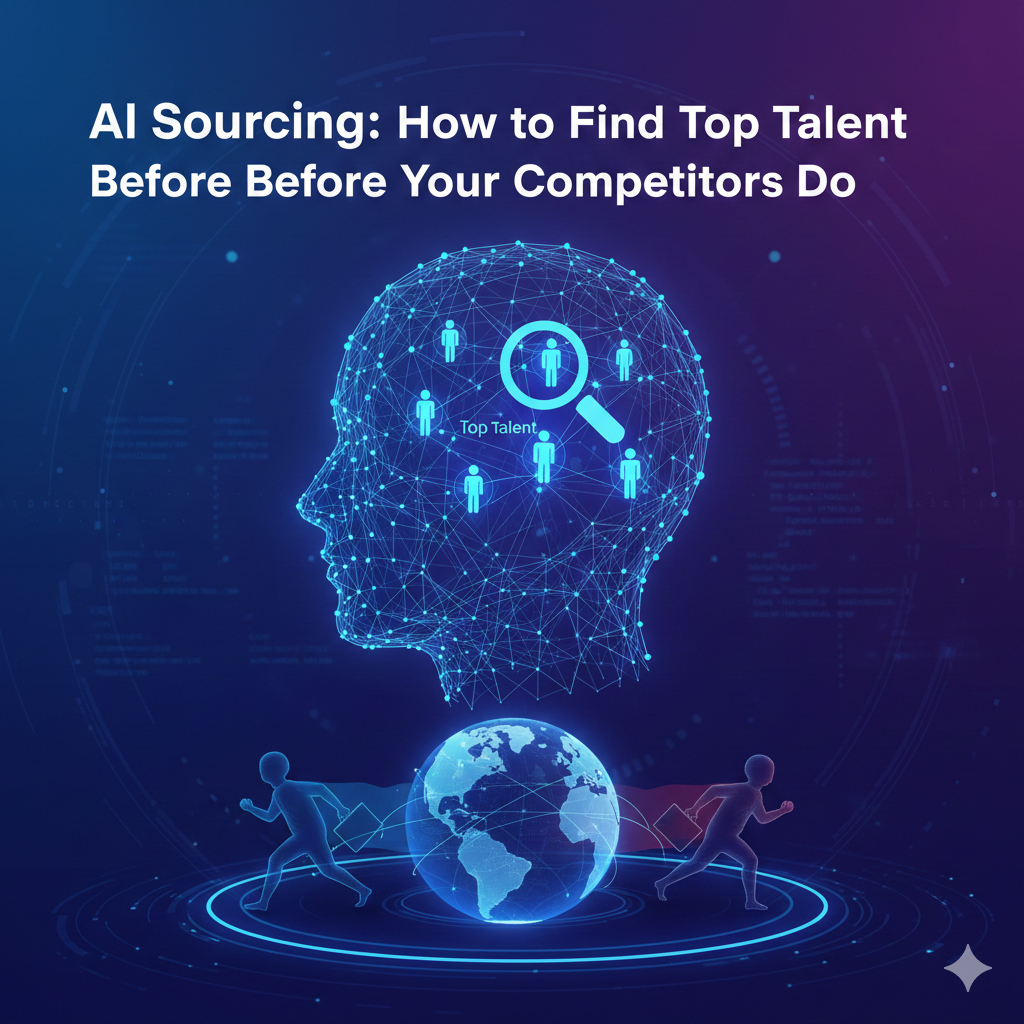
Here's an uncomfortable truth about job postings: the best candidates rarely see them. Top performers are typically employed, not actively job searching, and don't spend time on job boards. By the time you post a position, you've already limited yourself to the subset of talent that happens to be looking right now.
This is why 85% of the global workforce is either not looking for work or only passively open to opportunities, according to LinkedIn. The most competitive hiring organizations have shifted from posting and waiting to actively finding talent before competitors do—and AI is making this possible at unprecedented scale.
The Problem with Traditional Sourcing
Traditional talent sourcing is manual, slow, and expensive. A typical corporate recruiter spends 13 hours per week sourcing candidates for a single role. They search LinkedIn with Boolean queries, scroll through profiles, evaluate fit, and reach out individually. Even the best sourcers can review only 50-100 profiles per day.
This creates three critical problems:
Limited coverage: With millions of potential candidates, manual sourcing can only scratch the surface. Recruiters inevitably miss qualified candidates simply because they couldn't review enough profiles.
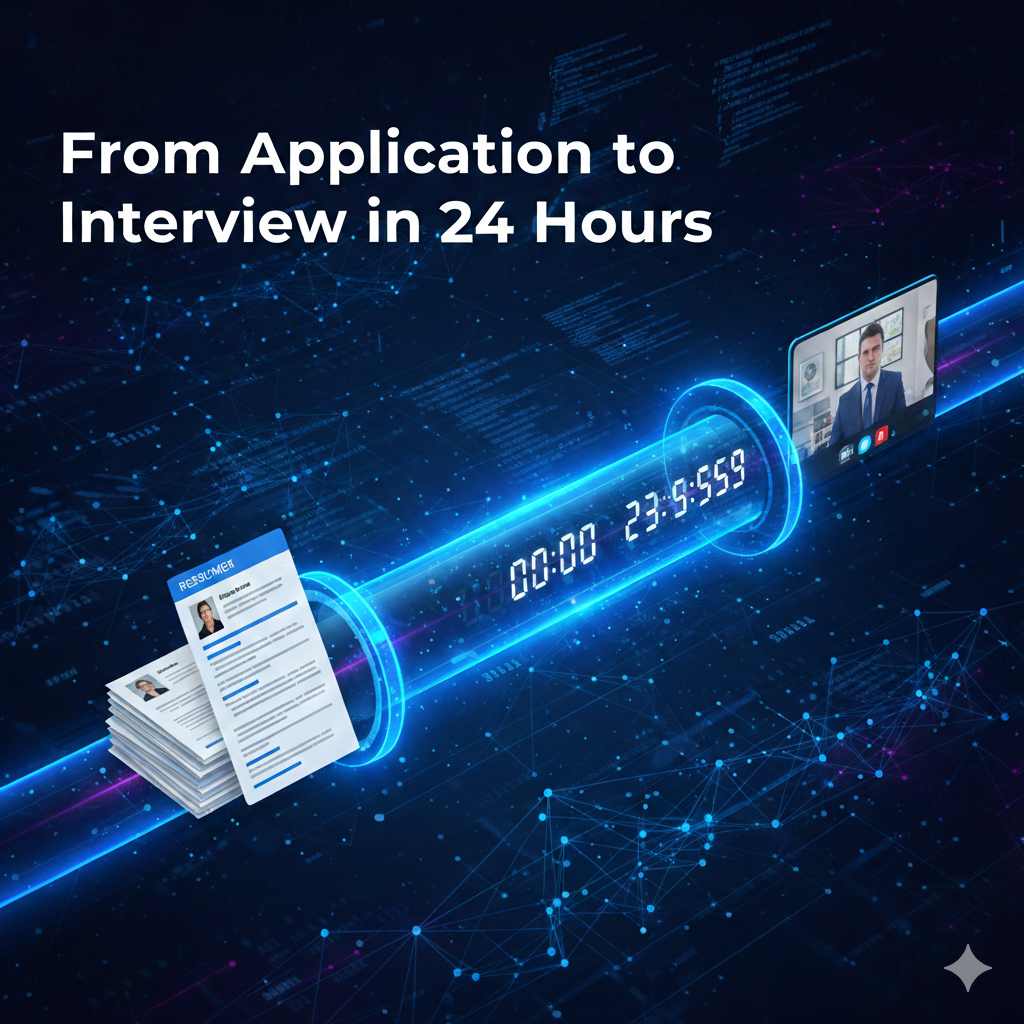
Speed disadvantage: While your recruiter spends two weeks building a candidate pipeline, competitors may have already reached out to—and hired—the same people.
Inconsistent quality: Sourcing quality varies by recruiter skill, fatigue level, and the inherent limitations of manual search queries that can't capture nuanced requirements.
How AI Sourcing Agents Work
AI sourcing represents a fundamental shift from reactive to proactive recruitment. Instead of waiting for candidates to find you, AI agents continuously search for talent that matches your requirements—24 hours a day, 7 days a week.
Natural language understanding: You don't need to construct complex Boolean queries. Simply describe what you're looking for in plain language: "Senior backend developer with experience scaling systems to millions of users, preferably from fintech or e-commerce background, willing to work hybrid in Amsterdam." The AI understands context, synonyms, and implied requirements.
Continuous discovery: AI agents don't just search once—they continuously monitor for new candidates matching your criteria. When someone updates their profile, publishes relevant work, or shows signals of openness to new opportunities, the AI identifies them immediately.
Intelligent ranking: Every candidate is scored against your specific requirements, weighted by importance. Instead of a list of names, you receive a prioritized pipeline with clear explanations of why each candidate was selected and how they match your needs.
Pattern learning: AI sourcing agents learn from your feedback. When you mark a candidate as excellent or poor fit, the system adjusts its model to find more candidates like the excellent ones and fewer like the poor ones.
The Competitive Advantage of AI Sourcing
Companies using AI sourcing gain advantages that compound over time:
- First-mover advantage: When a great candidate becomes available, you're reaching out within hours instead of weeks. In competitive talent markets, being first often means being the only offer.
- Larger qualified pipelines: AI can evaluate thousands of candidates that would be impossible to review manually, ensuring you never miss qualified talent due to limited search capacity.
- Passive candidate access: AI identifies signals that indicate openness to opportunities—profile updates, new certifications, company changes—letting you reach passive candidates at the right moment.
- Reduced cost-per-hire: By automating the most time-intensive part of recruitment, AI sourcing dramatically reduces the cost of building qualified pipelines.
From Searching to Discovering
The shift from manual sourcing to AI-powered discovery is similar to the shift from library card catalogs to Google. Yes, you could eventually find what you needed the old way—but the new way is so much more powerful that it changes what's possible.
With AI sourcing, you're not limited to candidates who happen to use the right keywords or fit neatly into predefined categories. You're finding people based on their actual capabilities, experience patterns, and potential fit—regardless of how they've chosen to present themselves.
The companies that master AI sourcing today won't just hire faster—they'll hire people their competitors never even knew existed. In the war for talent, that's an advantage that's hard to overcome.